
Settings
Shipping country
Languages
Categories
Bottles with Dosing Tips

Plastic bottles from 30 to 250 ml with dosing nozzles, using a screw-on tip cap or an on/off system for directed dispensing.
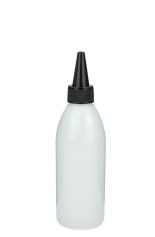
PET bottle, 200 ml, white, Ø 50.4 mm, with dosing tip and screw cap, black – for drop-wise to thin-stream dosing, supplied empty, by the carton.
from 0,45 EUR(for packing size 3.300 pieces (pallet))
19 % VAT plus. excl. Shipping costs
Shipping time: 1 Week
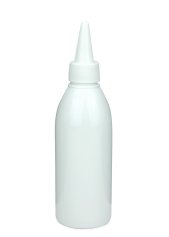
PET bottle, 200 ml, white, Ø 50.4 mm, with dosing tip and screw cap, white – for drop-wise to thin-stream dosing, supplied empty, by the carton.
from 0,45 EUR(for packing size 3.300 pieces (pallet))
19 % VAT plus. excl. Shipping costs
Shipping time: 1 Week

PETG bottle, 200 ml, clear, Ø 50.0 mm, with dosing tip and on/off closure (black/clear) – for drop-wise to thin-stream dosing, supplied empty, by the carton.
from 0,54 EUR(for packing size 2.760 pieces (pallet))
19 % VAT plus. excl. Shipping costs
Shipping time: 1 Week
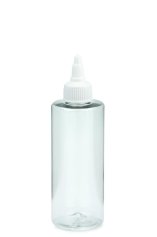
PETG bottle, 200 ml, clear, Ø 50.0 mm, with dosing tip and on/off closure (white) – for drop-wise to thin-stream dosing, supplied empty, by the carton.
from 0,54 EUR(for packing size 2.760 pieces (pallet))
19 % VAT plus. excl. Shipping costs
Shipping time: 1 Week

PETG bottle, 200 ml, clear, Ø 50.0 mm, with dosing tip and screw cap, black – for drop-wise to thin-stream dosing, supplied empty, by the carton.
from 0,51 EUR(for packing size 2.760 pieces (pallet))
19 % VAT plus. excl. Shipping costs
Shipping time: 1 Week

PETG bottle, 200 ml, clear, Ø 50.0 mm, with dosing tip and screw cap, white – for drop-wise to thin-stream dosing, supplied empty, by the carton.
from 0,51 EUR(for packing size 2.760 pieces (pallet))
19 % VAT plus. excl. Shipping costs
Shipping time: 1 Week

R-PET bottle, 200 ml, clear, Ø 45.8 mm, with dosing tip and on/off closure (black/clear) – for drop-wise to thin-stream dosing, supplied empty, by the carton.
from 0,52 EUR(for packing size 2.860 pieces (pallet))
19 % VAT plus. excl. Shipping costs
Shipping time: 1 Week
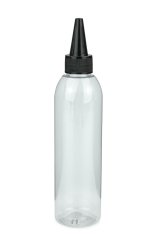
R-PET bottle, 200 ml, clear, Ø 45.8 mm, with dosing tip and screw cap, black – for drop-wise to thin-stream dosing, supplied empty, by the carton.
from 0,49 EUR(for packing size 2.860 pieces (pallet))
19 % VAT plus. excl. Shipping costs
Shipping time: 1 Week

R-PET bottle, 200 ml, clear, Ø 45.8 mm, with dosing tip and screw cap, white – for drop-wise to thin-stream dosing, supplied empty, by the carton.
from 0,49 EUR(for packing size 2.860 pieces (pallet))
19 % VAT plus. excl. Shipping costs
Shipping time: 1 Week

R-PET bottle, 200 ml, clear, Ø 50.4 mm, with dosing tip and on/off closure (black/clear) – for drop-wise to thin-stream dosing, supplied empty, by the carton.
from 0,49 EUR(for packing size 3.300 pieces (pallet))
19 % VAT plus. excl. Shipping costs
Shipping time: 1 Week
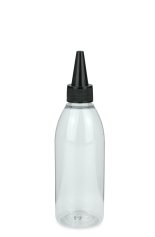
R-PET bottle, 200 ml, clear, Ø 50.4 mm, with dosing tip and screw cap, black – for drop-wise to thin-stream dosing, supplied empty, by the carton.
from 0,46 EUR(for packing size 3.300 pieces (pallet))
19 % VAT plus. excl. Shipping costs
Shipping time: 1 Week
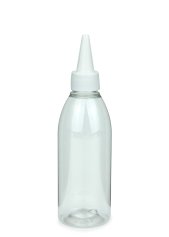
R-PET bottle, 200 ml, clear, Ø 50.4 mm, with dosing tip and screw cap, white – for drop-wise to thin-stream dosing, supplied empty, by the carton.
from 0,46 EUR(for packing size 3.300 pieces (pallet))
19 % VAT plus. excl. Shipping costs
Shipping time: 1 Week
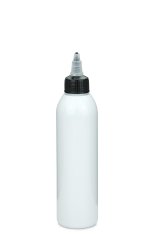
R-PET bottle, 200 ml, white, Ø 45.8 mm, with dosing tip and on/off closure (black/clear) – for drop-wise to thin-stream dosing, supplied empty, by the carton.
from 0,53 EUR(for packing size 2.860 pieces (pallet))
19 % VAT plus. excl. Shipping costs
Shipping time: 1 Week
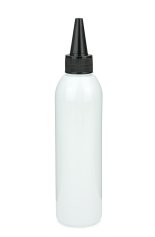
R-PET bottle, 200 ml, white, Ø 45.8 mm, with dosing tip and screw cap, black – for drop-wise to thin-stream dosing, supplied empty, by the carton.
from 0,51 EUR(for packing size 2.860 pieces (pallet))
19 % VAT plus. excl. Shipping costs
Shipping time: 1 Week

R-PET bottle, 200 ml, white, Ø 45.8 mm, with dosing tip and screw cap, white – for drop-wise to thin-stream dosing, supplied empty, by the carton.
from 0,51 EUR(for packing size 2.860 pieces (pallet))
19 % VAT plus. excl. Shipping costs
Shipping time: 1 Week
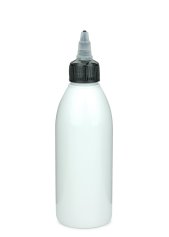
R-PET bottle, 200 ml, white, Ø 50.4 mm, with dosing tip and on/off closure (black/clear) – for drop-wise to thin-stream dosing, supplied empty, by the carton.
from 0,50 EUR(for packing size 3.300 pieces (pallet))
19 % VAT plus. excl. Shipping costs
Shipping time: 1 Week
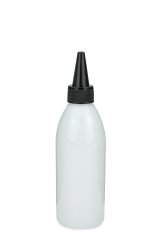
R-PET bottle, 200 ml, white, Ø 50.4 mm, with dosing tip and screw cap, black – for drop-wise to thin-stream dosing, supplied empty, by the carton.
from 0,48 EUR(for packing size 3.300 pieces (pallet))
19 % VAT plus. excl. Shipping costs
Shipping time: 1 Week

R-PET bottle, 200 ml, white, Ø 50.4 mm, with dosing tip and screw cap, white – for drop-wise to thin-stream dosing, supplied empty, by the carton.
from 0,48 EUR(for packing size 3.300 pieces (pallet))
19 % VAT plus. excl. Shipping costs
Shipping time: 1 Week
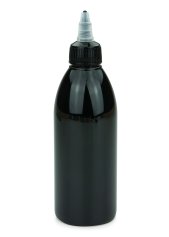
PET bottle, 250 ml, black, Ø 54.5 mm, with dosing tip and on/off closure (black/clear) – for drop-wise to thin-stream dosing, supplied empty, by the carton.
from 0,53 EUR(for packing size 2.550 pieces (pallet))
19 % VAT plus. excl. Shipping costs
Shipping time: 1 Week
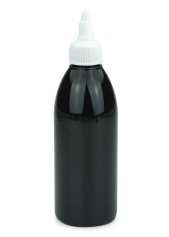
PET bottle, 250 ml, black, Ø 54.5 mm, with dosing tip and on/off closure (white) – for drop-wise to thin-stream dosing, supplied empty, by the carton.
from 0,53 EUR(for packing size 2.550 pieces (pallet))
19 % VAT plus. excl. Shipping costs
Shipping time: 1 Week
Directed flow without a pump or spray mechanism
A dosing nozzle concentrates the outlet into a thin stream or controlled drop. Bottles in this category mainly use 24/410 and come with a matching nozzle plus either a screw-on tip cap or an on/off closure.
Dosing tips compared
The two systems mainly differ in how the nozzle is closed between uses.
| Version | Operation | Useful when |
|---|---|---|
| Nozzle with screw-on cap | a small separate cap screws onto the nozzle | a familiar, clearly visible closure is preferred |
| On/off nozzle | a rotating mechanism opens or closes the outlet | frequent dosing is needed without a separate tip cap |
| Narrow outlet | dispenses in a directed rather than broad pattern | oils, syrups or concentrates must be placed accurately |
How to check dosing performance
- Test flow behaviour – Drop and stream size depend on the opening, viscosity and pressure applied to the bottle.
- Keep the nozzle clean – Residue may dry at the opening and change the flow.
- Close before transport – Fully close the on/off mechanism or tip cap for storage and transport.
For precise application and controlled refilling
Dosing tips suit applications where product must reach a small target area. Sizes from 30 to 250 ml cover compact and medium fills.
Alternatives: Screw caps · Spray bottles · Small dropper bottles
Frequently asked questions about dosing tips
What does on/off mean on a dosing nozzle?
A rotating mechanism exposes or closes the outlet. The direction of operation may vary by model.
Is a dosing nozzle the same as a dropper insert?
No. A nozzle forms a longer directed outlet. A dropper insert usually sits directly in the bottle mouth and produces more defined drops.
Are the bottles suitable for very thin liquids?
Low-viscosity products can generally be dispensed well, but actual drop or stream formation must be tested with your formulation.
Is the dosing tip included?
Yes. The offered nozzle and its closing system form part of the combination named in the product title.
Payment


All prices excl. VAT. plus shipping and handling. The crossed out prices correspond to the previous price at Flaschen-Handel.eu.
Flaschen-Handel.eu © 2026 | Template © 2009-2026 by modified eCommerce Shopsoftware