
Settings
Shipping country
Languages
Categories
Bottles with Disc Top / Flip Top

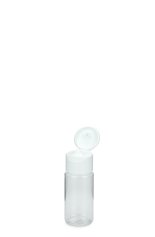
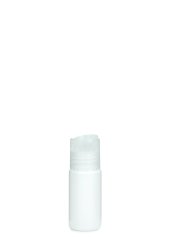
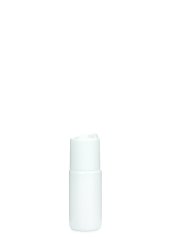
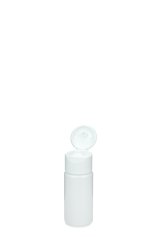
Disc-top and flip-top bottles from 20 to 1,000 ml for controlled one-handed dispensing, made from PET, R-PET and PETG.
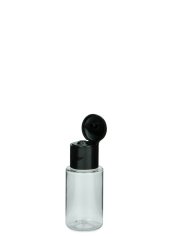
Shipping time: 1 Week
from 0,18 EUR(for packing size 6.300 pieces (pallet))
19 % VAT plus. excl. Shipping costs
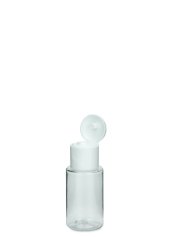
Shipping time: 1 Week
from 0,18 EUR(for packing size 6.300 pieces (pallet))
19 % VAT plus. excl. Shipping costs

Shipping time: 1 Week
from 0,20 EUR(for packing size 7.200 pieces (pallet))
19 % VAT plus. excl. Shipping costs
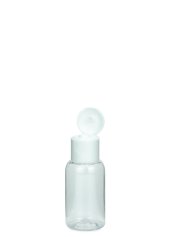
Shipping time: 1 Week
from 0,20 EUR(for packing size 7.200 pieces (pallet))
19 % VAT plus. excl. Shipping costs

Shipping time: 1 Week
from 0,20 EUR(for packing size 7.600 pieces (pallet))
19 % VAT plus. excl. Shipping costs
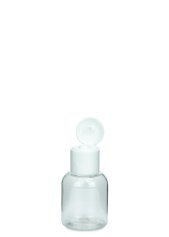
Shipping time: 1 Week
from 0,20 EUR(for packing size 7.600 pieces (pallet))
19 % VAT plus. excl. Shipping costs

Shipping time: 1 Week
from 0,18 EUR(for packing size 6.000 pieces (pallet))
19 % VAT plus. excl. Shipping costs

Shipping time: 1 Week
from 0,18 EUR(for packing size 6.000 pieces (pallet))
19 % VAT plus. excl. Shipping costs
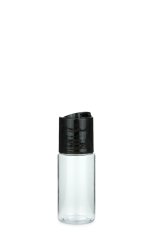
Shipping time: 1 Week
from 0,36 EUR(for packing size 5.600 pieces (pallet))
19 % VAT plus. excl. Shipping costs
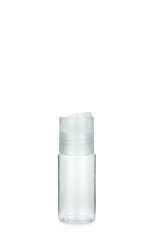
Shipping time: 1 Week
from 0,36 EUR(for packing size 5.600 pieces (pallet))
19 % VAT plus. excl. Shipping costs
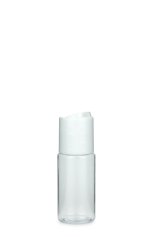
Shipping time: 1 Week
from 0,36 EUR(for packing size 5.600 pieces (pallet))
19 % VAT plus. excl. Shipping costs
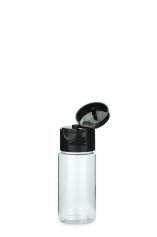
Shipping time: 1 Week
from 0,34 EUR(for packing size 5.600 pieces (pallet))
19 % VAT plus. excl. Shipping costs
Shipping time: 1 Week
from 0,34 EUR(for packing size 5.600 pieces (pallet))
19 % VAT plus. excl. Shipping costs

Shipping time: 1 Week
from 0,36 EUR(for packing size 5.600 pieces (pallet))
19 % VAT plus. excl. Shipping costs
Shipping time: 1 Week
from 0,36 EUR(for packing size 5.600 pieces (pallet))
19 % VAT plus. excl. Shipping costs
Shipping time: 1 Week
from 0,36 EUR(for packing size 5.600 pieces (pallet))
19 % VAT plus. excl. Shipping costs

Shipping time: 1 Week
from 0,34 EUR(for packing size 5.600 pieces (pallet))
19 % VAT plus. excl. Shipping costs
Shipping time: 1 Week
from 0,34 EUR(for packing size 5.600 pieces (pallet))
19 % VAT plus. excl. Shipping costs
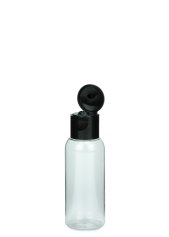
Shipping time: 1 Week
from 0,21 EUR(for packing size 5.200 pieces (pallet))
19 % VAT plus. excl. Shipping costs
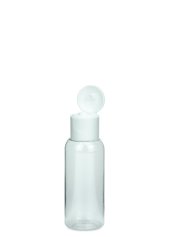
Shipping time: 1 Week
from 0,21 EUR(for packing size 5.200 pieces (pallet))
19 % VAT plus. excl. Shipping costs
Open one-handed and pour with control
Disc-top and flip-top closures stay attached to the bottle during use. They expose a small outlet and suit products that are dispensed regularly and in a controlled way.
Disc top and flip top compared
Both systems support one-handed use but differ in operation and outlet shape.
| Version | Operation | Typical use |
|---|---|---|
| Disc top | press one side of the disc to raise the outlet | shampoo, lotions and personal care |
| Flip top | lift the hinged lid and close it again after use | shower gel, washing-up liquid and free-flowing formulas |
| Flip closure with narrow outlet | small straight or angled opening | more directed dispensing of low-viscosity products |
What matters with hinged closures
- Consider viscosity – The outlet size must suit how readily your product flows.
- Test handling direction – Assess the bottle shape, closure and any intended upside-down use together.
- Check the thread – Most versions use 24/410; other threads are specified on the product page.
For frequently used bathroom, household and care products
This category is for fillers seeking fast dispensing without a separate cap. It covers compact travel sizes and larger containers up to 1,000 ml.
Alternatives: Screw caps · Pump dispensers · Dosing tips
Frequently asked questions about disc top and flip top
What is the difference between disc top and flip top?
A disc top opens when one side of the disc is pressed; a flip top uses a hinged lid. Both stay attached to the closure.
Are these bottles suitable for thick creams?
That depends on outlet size and viscosity. Very thick products are often easier to dispense with a suitable pump or from a jar.
Can the bottle be stored upside down?
Only after the complete combination has been tested with your contents. The closure type alone does not guarantee leak resistance upside down.
Is the hinged closure included?
Yes. Colour, version and scope of delivery are stated in the product title and on the product page.
Payment


All prices excl. VAT. plus shipping and handling. The crossed out prices correspond to the previous price at Flaschen-Handel.eu.
Flaschen-Handel.eu © 2026 | Template © 2009-2026 by modified eCommerce Shopsoftware